Many people in Haynesville, Louisiana do not look at their credit reports until an application is already under pressure. A home loan, vehicle approval, rental screening, or personal loan review can suddenly expose old collections, charge-offs, high utilization, mixed address history, or accounts that are not reporting the same way across all three bureaus. For many consumers, the same file may include several issues at once: collections, charge-offs, late payments, medical bills, high card balances, old address data, buy now pay later accounts, or accounts that do not match across Experian, Equifax, and TransUnion. That is why the first step is not to chase a quick promise. The first step is to create a working map of the file so every action has a reason. This page is written for consumers in Haynesville, Louisiana who want a steady plan before applying for a mortgage, auto loan, apartment, credit card, or better financing terms. You can compare general service details on our Texas credit repair hub, review timing expectations in the Illinois credit repair hub, and use this guide as a practical overview of what should happen before, during, and after disputes are submitted. A single credit score does not tell the whole story. A lender may review one bureau, a landlord may use another screening model, and a finance company may focus on recent payment behavior more than an older score snapshot. Before any dispute strategy is built, each report should be reviewed line by line for creditor names, account numbers, balances, dates, payment history, ownership, and whether the item appears on one, two, or all three bureaus. That three-bureau comparison matters because errors are often uneven. One bureau may show a collection as open while another shows it closed. A charge-off may have a different balance from one report to another. A paid account may still look unpaid. An old address or mixed personal information can also make a file harder to verify. The California credit repair hub is a helpful foundation because the bureaus do not always receive or display information in the same way. For Haynesville, Louisiana, the practical question is simple: what is hurting the file today, what may be inaccurate, and what needs to be rebuilt even if the reporting is technically correct? Separating those categories keeps the plan focused. It also helps avoid wasting time on disputes that do not support the consumer's approval goal. Credit repair is often misunderstood as only a dispute process. Disputes matter when an item is inaccurate, incomplete, outdated, duplicated, or cannot be verified. But a stronger file also depends on the active score factors that continue to update every month. Payment history, utilization, account age, recent inquiries, credit mix, and open balances can move the file forward or hold it back while a reporting review is pending. The first lane is report accuracy. This means identifying accounts that need documentation, comparing dates and balances, checking whether a debt buyer is reporting the same obligation as the original creditor, and deciding whether the item has a factual basis for a challenge. The second lane is rebuilding. This may include lowering reported utilization, protecting every current due date, avoiding unnecessary applications, and using positive accounts carefully. The pricing and plan options can help consumers understand why each bureau may respond differently. When both lanes run together, the consumer is not waiting passively. A person in Haynesville, Louisiana can be reviewing documentation, tracking dispute responses, paying current accounts on time, and preparing for the next application window in the same season. That is more practical than sending disputes and hoping the rest of the file fixes itself. Collections and charge-offs are common reasons consumers seek help. They can affect apartment screening, mortgage underwriting, auto financing, insurance pricing, and even some employment-related reviews where permitted. The important part is not simply whether the item is negative. The important part is whether it is reporting accurately, whether the balance makes sense, whether the ownership is clear, and whether the dates match the underlying account history. Debt-buyer accounts need special attention because the company reporting the collection may not be the original creditor. The file may show a charged-off original account and a separate collection account tied to the same obligation. That does not automatically mean the reporting is wrong, but it does mean the consumer should understand who owns the balance, who is collecting, whether the account is duplicated, and what documents support the reporting. Our secured credit card rebuilding guide is an example of how a collector-specific guide can help consumers think through ownership and reporting questions. For auto-related accounts, a consumer may see a charge-off even when there was no repossession, or a repossession-related balance that still needs a careful review. If that issue is part of the file, the Sezzle credit repair guide explains why the wording on the report matters. A charge-off, a deficiency balance, a repossession notation, and a collection placement can each create a different underwriting concern. Collection disputes should be built around facts, not anger. Useful questions include: Is the balance correct? Is the date of first delinquency accurate? Is the account duplicated? Is the collector properly identified? Is the same debt being shown in a confusing way? Was the account paid, settled, transferred, sold, or recalled? A stronger dispute package answers those questions with documents whenever possible. Many consumers focus only on removing negative accounts, but reported utilization can sometimes be the faster practical lever. Utilization is the relationship between credit card balances and credit limits. A person can have no new late payments and still look risky if revolving balances are high. That matters before a mortgage preapproval, apartment application, auto loan, or credit card review. For consumers in Haynesville, Louisiana, utilization planning should happen before the application date, not after the denial. Credit card companies usually report balances on their own reporting schedule, which may not be the same as the due date. Paying a balance after the statement closes may not help the report until the next cycle. A consumer who is trying to apply soon needs to understand when balances are reported and how to avoid accidentally showing a high balance during review. Positive rebuilding tools should be used carefully. A secured card can help when it is paid on time, kept at a low reported balance, and used to build a clean current-payment pattern. The credit repair timeline guide explains why the card itself is not the strategy; the reporting behavior is the strategy. A new account that is maxed out or paid late can make the file worse. A good credit repair plan should create a document trail. That may include identification documents, proof of address, payment records, settlement letters, account statements, cancellation notices, police reports for identity-related issues, bankruptcy schedules, medical billing records, or correspondence from creditors and collectors. The right documents depend on the issue being challenged. Documentation is especially important when a file has mixed information. Old addresses, name variations, incorrect employers, unfamiliar accounts, or mismatched account numbers can make the file harder to review. When personal information is wrong, it may be necessary to address that first so the account disputes are not built on a messy identity profile. The goal is to make the report easier to verify, not harder to understand. For BNPL accounts, the documentation can be different from a traditional credit card or loan. Accounts connected to Afterpay, Affirm, Sezzle, Klarna, or PayPal Pay Later may involve app records, linked payment methods, installment history, merchant issues, or collection placement. Consumers dealing with those problems can review the nationwide credit repair help, the service location page, and the Jefferson Capital Systems collection guide for related examples. A cleaner report does not automatically mean a consumer is ready for approval. Lenders and landlords often review the whole risk picture: recent late payments, open collections, unpaid charge-offs, balances, debt-to-income ratio, bank stability, income documentation, rental history, recent inquiries, and whether the consumer appears to be adding new debt. That is why approval planning should be part of the credit repair conversation. Mortgage preparation may require a longer runway because lenders often care about recent payment stability and documented explanations for derogatory items. Auto financing may be more flexible but can still be expensive when the file shows recent collections or high utilization. Apartment screening may be sensitive to collections, eviction-related records, unpaid utility balances, or identity inconsistencies. The same credit report can create three different approval problems depending on the application type. For Haynesville, Louisiana, the stronger plan is to decide what approval goal matters most before taking action. A consumer preparing for a mortgage should not make the same moves as a consumer trying to qualify for a vehicle next month. The Experian, Equifax, and TransUnion guide page can help connect local help with a broader nationwide process, while the three credit bureau overview can help consumers find service-area information without relying on a one-size-fits-all plan. The first 30 days should be about gathering reports, identifying inaccurate or questionable items, cleaning up personal information where needed, building the first dispute plan, and protecting all current accounts from new late payments. This is also when the consumer should stop applying randomly, because new inquiries and new accounts can complicate an already fragile file. By 60 days, the consumer should be tracking responses, organizing bureau updates, checking whether balances changed, and watching whether any deleted or corrected items reappear. This is also a good point to evaluate utilization. If a card balance is too high, the plan should account for when that card reports and how much can realistically be paid down before an application. By 90 days, the file should be easier to understand. Some items may be corrected, some may remain, and some may need follow-up. The goal is not to promise a specific result. The goal is to know what changed, what did not change, and what still blocks the approval goal. A consumer can compare that stage against the Illinois credit repair hub to understand why different items move on different schedules. By 180 days, a disciplined plan should show whether the consumer has built stronger current-payment history, lower utilization, cleaner personal data, and better documentation. Some serious items may still remain, but the file can still become more organized and easier to explain. That matters because real-world approval is often about risk presentation, not just a score number. Credit reporting is national, but the pressure points are often local. A consumer in Haynesville, Louisiana may be trying to qualify for a nearby apartment, get approved at a regional dealership, prepare for a mortgage with a lender that reviews specific overlays, or clean up a report before changing jobs. The bureaus may be national, but the decision that creates urgency often happens close to home. That local angle is why a page like this should not just repeat generic advice. The plan should connect report accuracy to practical next steps: which accounts need review, which balances should come down first, which documents need to be collected, and which application should wait until the file is better prepared. When the file includes collector accounts, medical bills, charge-offs, student loans, BNPL problems, or identity concerns, the sequence matters. Consumers dealing with PayPal Pay Later or similar installment issues can review the Affirm credit repair guide. Consumers trying to understand whether Affirm can affect a file can review the BNPL credit repair guide. These are not separate from credit repair; they are part of the modern reporting picture because newer payment products can still influence collections, disputes, underwriting questions, and rebuilding strategy. A strong credit review should produce a clear action list. It should identify the accounts that appear accurate but need rebuilding around them, the accounts that may be inaccurate and need dispute support, the accounts that require documentation before action, and the habits that must change so the consumer does not create new damage while old issues are being reviewed. The review should also be realistic. No company can honestly promise that a bureau will delete accurate information, that a score will jump by a set number, or that an approval will happen by a specific date. What can be controlled is the quality of the review, the clarity of the documentation, the discipline of the follow-up, and the rebuilding decisions made between now and the next application. Consumers who want a broader overview of company background and trust positioning can read about Santander charge-off with no repo guide or review the Santander no-repo charge-off explanation. The most important point is that the plan should be built around the consumer's report, not a recycled letter or a one-step promise. No. Credit repair should focus on information that may be inaccurate, incomplete, outdated, duplicated, mixed with someone else's file, or not properly verifiable. Accurate negative information may remain for the allowed reporting period. A responsible plan does not promise blanket removals. Not always. Paying can affect the balance, but it does not automatically remove the reporting. Before paying, it is smart to review who owns the debt, whether the balance is correct, how the account is reporting, and whether there is written documentation for any settlement or payment agreement. Timing depends on the number of accounts, the type of issues, bureau response times, documentation quality, and whether the consumer is also improving active score factors. Some updates may appear sooner than others, but no responsible process should promise a guaranteed date. Yes. Current payment history, utilization, application timing, document organization, and lender preparation can be improved while disputed items are being reviewed. That is often the difference between passive credit repair and a practical approval-readiness plan. Unfamiliar accounts should be reviewed carefully. They may involve a legitimate account with a different creditor name, a debt buyer, a mixed-file issue, identity theft, or a reporting error. The response should be based on documentation, not assumptions. If credit problems are affecting an application, the next step is to review the reports, identify the priority accounts, collect documentation, and build a plan that matches the consumer's timeline. For Haynesville, Louisiana, that means looking beyond a single score and focusing on the full file: what can be challenged, what must be rebuilt, and what should wait until the report is stronger. A good plan gives the consumer a cleaner roadmap. It explains why an account matters, what evidence supports the next move, how current balances affect the file, and how the timing of disputes and applications should be managed. That is the kind of process that helps consumers move forward with more confidence while avoiding guarantees, shortcuts, and random credit decisions.Building a documented credit repair strategy for Haynesville, Louisiana
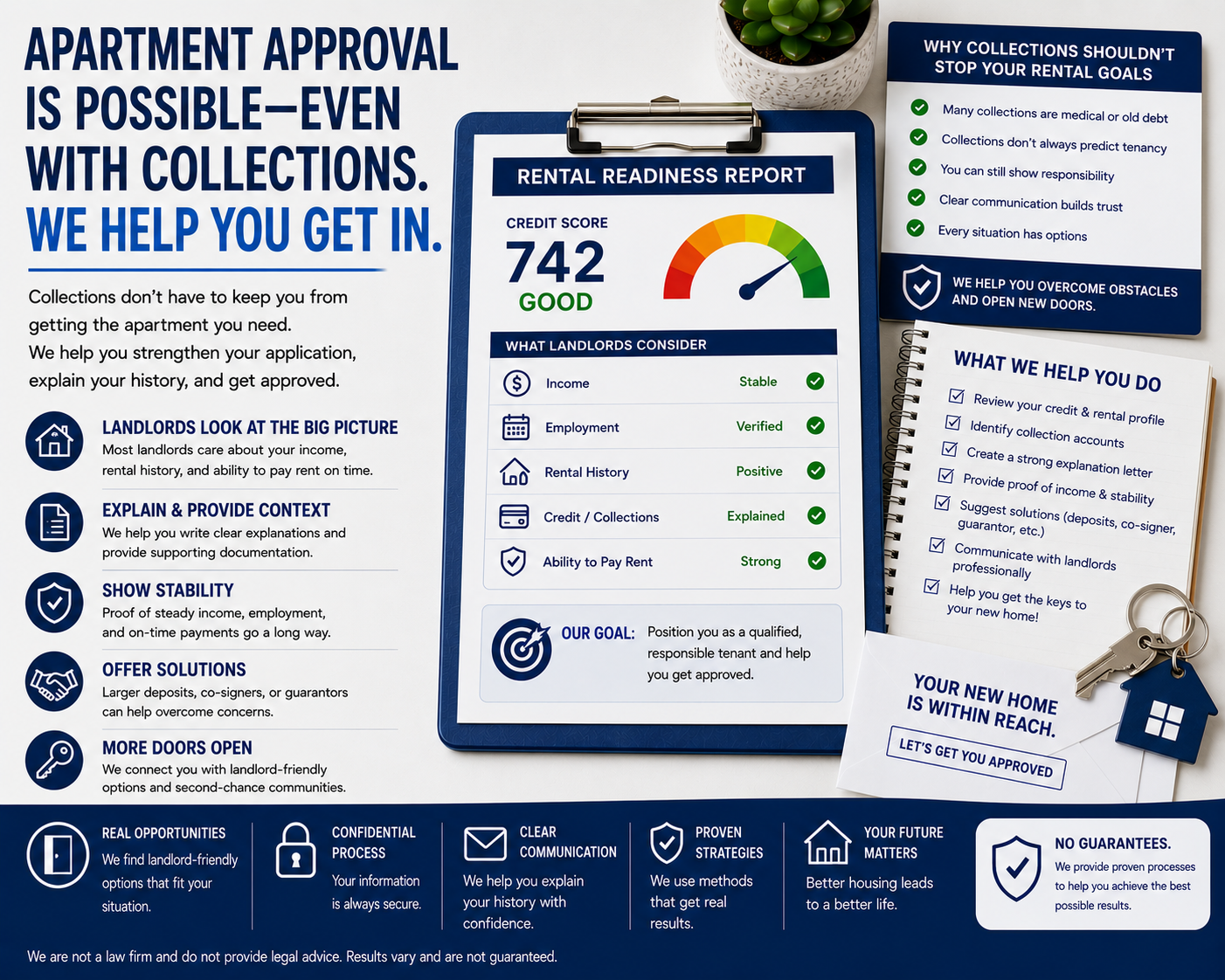
Start with the three-bureau picture, not one score
Build the plan around accuracy and rebuilding at the same time
Collections, charge-offs, and debt buyers need a careful review
Utilization can matter faster than many negative items
Documentation makes the process stronger
Approval readiness is different from report cleanup
Use a 30, 60, 90, and 180 day roadmap
How Louisiana consumers should think about the local angle
What a strong review should include
Questions about credit repair in Haynesville, Louisiana
Can credit repair remove every negative item?
Should I pay collections before disputing them?
How long does credit repair take?
Can I work on approval readiness while disputes are pending?
What if my reports show accounts I do not recognize?
Next step for Haynesville